
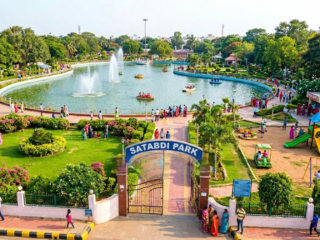
Satabdi Park
Satabdi Park is a public recreational park located in Asansol, India. It serves as one of the main urban green spaces in the city, offering residents and visitors a landscaped environment for leisure and community events. The park is notable for its accessibility, family-friendly attractions, and proximity to Asansol Junction railway station. Satabdi Park spans a landscaped area featuring lawns, walking paths, ornamental gardens, and shaded seating zones. Its central lawns and decorative fountains make it a popular gathering point, particularly in the evenings and on weekends. The park’s design emphasizes open green space within the city’s dense urban environment.
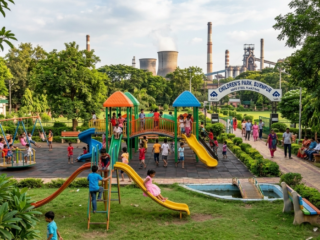
Children’s Park Burnpur
Children’s Park Burnpur is a popular public recreation area located in Burnpur, a township within Asansol, India. Known for its well-maintained gardens, playgrounds, and lakeside scenery, the park serves as a major leisure destination for local families and visitors from surrounding regions. Children’s Park was developed to provide green recreational space for Burnpur’s residents, many of whom work in or around the IISCO Steel Plant. Its proximity to the plant and the Damodar River gives the park a scenic setting within an otherwise industrial area. Over time, it has become an enduring community landmark.

Millennium Park
Millennium Park in Asansol, West Bengal, is a public recreational space and one of the city’s most popular leisure destinations. Located along the banks of the Damodar River, it offers green open areas, water features, and family-friendly facilities that serve as a major urban retreat for residents. Millennium Park was developed by the Asansol Municipal Corporation in the early 2000s as part of a broader initiative to enhance green spaces and urban recreation in the industrial city. The park’s name reflects the wave of civic projects inaugurated across India around the turn of the millennium.
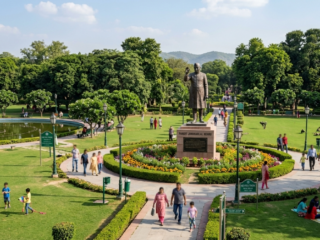
Nehru Park
Nehru Park in Burnpur, Asansol, is a prominent recreational and cultural landmark in the Paschim Bardhaman district of West Bengal, India. It serves as one of Burnpur’s most visited public spaces, offering scenic greenery, family-friendly amenities, and local cultural gatherings for residents of the industrial township. The park was developed by the Indian Iron and Steel Company (IISCO) for township residents of Burnpur, a region historically tied to the steel industry. Built as a green respite from the industrial surroundings, it was named after India’s first Prime Minister, Jawaharlal Nehru, reflecting the post-independence emphasis on civic welfare and urban beautification.
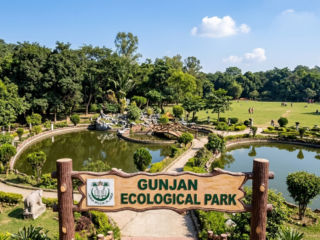
Gunjan Ecological Park
Gunjan Ecological Park is an urban green space and recreation area located in Asansol, West Bengal, India. It serves as a prominent ecological and leisure destination, offering residents and visitors a natural retreat within the industrial city’s landscape. The park was developed by the Asansol Municipal Corporation as part of local environmental and beautification initiatives. It combines landscaped gardens, tree-lined pathways, and ponds to promote biodiversity and provide a recreational environment for families. The layout emphasizes ecological restoration alongside leisure amenities.
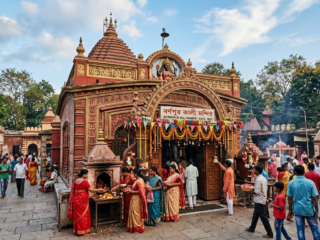
Burnpur Kali Temple
Burnpur Kali Temple is a Hindu temple located in Burnpur, near Asansol in West Bengal, India. Dedicated to Goddess Kali, it serves as a significant spiritual and cultural landmark for the industrial town’s residents, particularly those connected with the nearby steel plant community. Situated near the banks of the Damodar River, the Burnpur Kali Temple is surrounded by landscaped gardens and a peaceful compound. The temple follows traditional Bengali architectural style, with a tall shikhara (spire) over the sanctum and a courtyard that accommodates devotees during festivals. Its red-painted façade and ornate carvings reflect regional craftsmanship and aesthetic preferences.
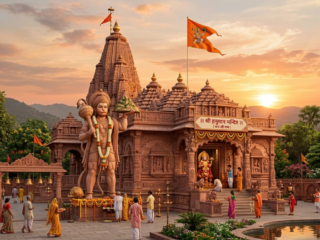
Hanuman Mandir Asansol
Hanuman Mandir in Asansol, West Bengal, is a prominent Hindu temple dedicated to Lord Hanuman, revered as a symbol of strength, devotion, and protection. Situated in one of the city’s busiest areas, it serves as both a spiritual center and a community landmark for residents and visitors alike. The Hanuman Mandir of Asansol is among the oldest and most frequented temples in the region. Although the exact date of establishment is not well-documented, it has long been associated with the city’s cultural and religious life. The temple’s central idol of Lord Hanuman is believed by devotees to bestow courage and protection.
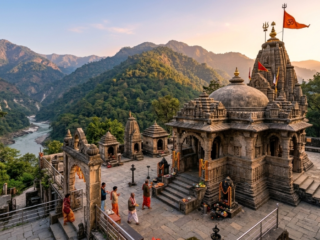
Neelkantheswar Temple
Neelkantheswar Temple in Burnpur, Asansol, is a revered Hindu shrine dedicated to Lord Shiva, known locally as Neelkantheswar, meaning “the blue-throated one.” It serves as a key spiritual and cultural landmark for residents of Burnpur and the larger Asansol industrial region in West Bengal, India. The temple stands on the banks of the Damodar River, offering a serene riverside setting amid the industrial backdrop of Burnpur. Its structure features traditional Hindu temple architecture with a central Shiva lingam and a distinct spire visible from nearby roads. The surrounding gardens and ghats provide a tranquil atmosphere for devotees and visitors.
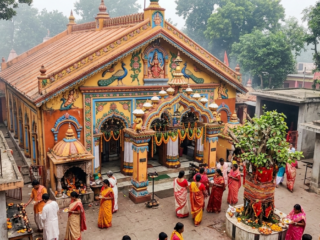
Ghagar Buri Chandi Temple
Ghagar Buri Chandi Temple is a revered Hindu shrine located on the outskirts of Asansol, West Bengal, India. Dedicated to Goddess Chandi, a fierce form of Goddess Durga, it serves as a significant spiritual and cultural landmark for local devotees and travelers in the region. The temple’s origins trace back to the 19th century, though the worship of Goddess Chandi in the area is believed to be much older. Local legends describe the deity as the “Guardian Goddess” of Asansol, protecting the city and its people. The name “Ghagar Buri” translates to “Old Lady with a Pot,” symbolizing the divine maternal aspect of the goddess.
Kalyaneshwari Temple
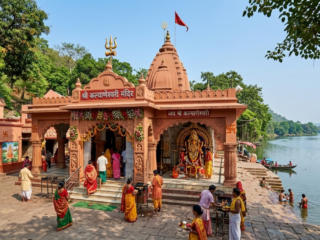
Kalyaneshwari Temple is a centuries-old Hindu shrine near Asansol, dedicated to Goddess Kalyaneshwari—an incarnation of Goddess Kali. Perched on the banks of the Barakar River close to the Jharkhand border, it is revered as a Shakti Peetha where the arm of Goddess Sati is believed to have fallen, symbolizing divine feminine energy and protection. The temple’s origins trace back over 500 years, with local legends attributing its founding to the Raja of Panchkot in gratitude for divine blessings. As one of the Shakti Peethas, it is believed that Sati’s left arm fell here after Lord Shiva’s cosmic dance. The site became associated with fertility and well-being; childless women often visit seeking the goddess’s grace.