
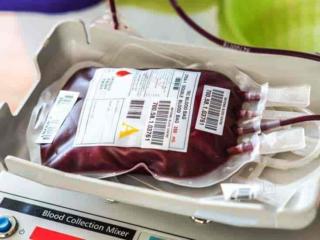
ECL Central Hospital Kalla Blood Bank
ECL Central Hospital Kalla Blood Bank is a government-operated blood bank located in Kalla, Asansol, Paschim Bardhaman district, West Bengal, India. It operates under the Eastern Coalfields Limited (ECL) Central Hospital and serves as a key emergency blood supply center for the industrial and residential population of Asansol and nearby areas. The facility runs 24 hours a day and focuses on providing whole blood rather than separated components. The blood bank primarily supports patients from the hospital and surrounding communities by providing essential transfusion services. It operates on a 24×7 basis, allowing round-the-clock access for medical emergencies. However, it does not offer apheresis or individual blood component separation facilities, which limits advanced transfusion options.
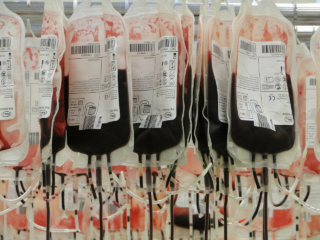
Ujjiban Voluntary Blood Donor
Ujjiban Voluntary Blood Donor Association is a community-based blood donor group operating around Asansol and nearby areas of West Bengal, India. It focuses on arranging voluntary blood donation, connecting donors with patients in need, and supporting nearby blood banks and hospitals on a non-profit basis. The association operates in and around Amladahi / Hindusthan Cables Town, close to Asansol and Chittaranjan, within Paschim Bardhaman district of West Bengal. Local business directories list it as a prominent association and a 24-hour blood-help point, indicating that it is well known in the neighborhood for arranging blood support when hospitals or families contact them.

Sanctoria Hospital Blood Bank
Sanctoria Hospital Blood Bank is a government-operated blood bank located in Jhalbagan, Sanctoria, near Dishergarh in Asansol, Paschim Bardhaman district, West Bengal, India. It plays a vital role in supporting local healthcare services by providing safe blood for medical treatments and emergencies in the surrounding mining and industrial regions. Sanctoria Hospital Blood Bank forms part of the public health network in the Paschim Bardhaman district, complementing major facilities such as ECL Central Hospital Kalla and Burnpur Hospital SAIL-ISP. Its proximity to industrial zones and residential areas makes it a key resource during workplace accidents, surgical procedures, and community blood drives.

Divisional Railway Hospital Blood Bank
The Divisional Railway Hospital Blood Bank in Asansol, West Bengal, is a government-run facility operated under the Eastern Railway. It serves railway employees, their dependents, and the general public by providing essential blood transfusion and storage services in the Bardhaman district. The facility focuses on the collection, testing, and distribution of safe blood components to meet emergency and routine medical needs. Its operations are aligned with Indian public health standards for blood safety and are integrated into the hospital’s emergency and surgical care units. The blood bank works collaboratively with other regional hospitals in Asansol, such as Asansol District Hospital and Burnpur Hospital, to ensure an adequate blood supply network.

Asansol District Hospital
The Asansol District Hospital Blood Bank is a government-operated blood storage and transfusion center located on SB Gorai Road in Āsansol, West Bengal, India. It functions under the administration of Government of West Bengal, serving as a critical unit for the region’s public healthcare system and emergency medical needs. The blood bank offers 24×7 services and primarily supports hospital-based transfusion requirements. While it does not currently provide specialized blood component separation or apheresis facilities, it maintains a consistent supply of whole blood for general patient care and emergencies.
Union Bank of India
Union Bank of India is a major public sector bank headquartered in Mumbai, India. Established in 1919, it is among India’s largest government-owned financial institutions, offering a full range of retail, corporate, and international banking services. The Government of India holds a majority stake, making it a key player in the country’s financial system and economic development. Pioneering among Indian public sector banks, Union Bank adopted full core banking automation early and continues to innovate in digital banking through its “Vyom” app, metaverse banking initiatives, and ESG-aligned lending strategies. Its focus on technology, inclusion, and sustainability has earned multiple national banking awards.
Bank of Baroda
Bank of Baroda (BoB) is a major Indian public sector bank headquartered in Vadodara, Gujarat. Founded in 1908, it is among India’s oldest and largest state-owned financial institutions, providing retail, corporate, and international banking services across numerous countries. The bank offers a full suite of financial services, including savings and current accounts, fixed deposits, loans (home, vehicle, education, and personal), credit cards, and insurance. Digital platforms such as “bob World” provide mobile and internet banking with features like UPI payments, bill payments, and online investments.
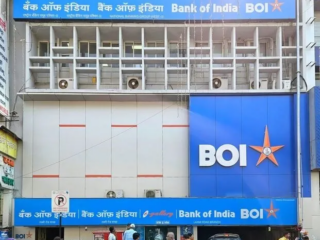
Bank of India
Bank of India (BOI) is a major Indian public sector bank headquartered in Mumbai. Founded in 1906, it became state-owned after nationalization in 1969. It provides commercial, retail, and international banking services, maintaining a wide domestic network and a global presence across several continents. Bank of India began as a privately held institution created by prominent Mumbai businessmen with a paid-up capital of ₹50 lakh and 50 employees. It was nationalized in 1969 along with thirteen other banks to expand financial inclusion. Over more than a century, it has grown into a major nationalized bank with operations in all Indian states and territories and a strong overseas footprint including branches in London, New York, Tokyo, Dubai, and Singapore.
Punjab National Bank
Punjab National Bank (PNB) is an Indian public sector bank headquartered in New Delhi. Established in 1894, it is one of the oldest and largest banks in India, serving millions of retail and corporate customers through an extensive domestic and international network. PNB offers a broad range of banking products, including retail and corporate banking, agricultural finance, MSME loans, international banking, and digital banking services. It also provides insurance, mutual funds, and treasury operations through subsidiaries and partnerships.
State Bank of India
The State Bank of India (SBI) is India’s largest public sector bank and financial services institution. Headquartered in Mumbai, it plays a central role in India’s banking system, serving millions of retail and corporate customers domestically and abroad. Its scale, legacy, and government ownership make it a cornerstone of India’s financial infrastructure. SBI traces its roots to the Bank of Calcutta, established in 1806, which later became the Imperial Bank of India. In 1955, the Government of India nationalized the Imperial Bank, creating the State Bank of India to expand banking access across the nation. The bank subsequently absorbed several regional associate banks, consolidating its national footprint.