
Union Bank of India
Union Bank of India is a major public sector bank headquartered in Mumbai, India. Established in 1919, it is among India’s largest government-owned financial institutions, offering a full range of retail, corporate, and international banking services. The Government of India holds a majority stake, making it a key player in the country’s financial system and economic development. Pioneering among Indian public sector banks, Union Bank adopted full core banking automation early and continues to innovate in digital banking through its “Vyom” app, metaverse banking initiatives, and ESG-aligned lending strategies. Its focus on technology, inclusion, and sustainability has earned multiple national banking awards.
Bank of Baroda
Bank of Baroda (BoB) is a major Indian public sector bank headquartered in Vadodara, Gujarat. Founded in 1908, it is among India’s oldest and largest state-owned financial institutions, providing retail, corporate, and international banking services across numerous countries. The bank offers a full suite of financial services, including savings and current accounts, fixed deposits, loans (home, vehicle, education, and personal), credit cards, and insurance. Digital platforms such as “bob World” provide mobile and internet banking with features like UPI payments, bill payments, and online investments.
Bank of India
Bank of India (BOI) is a major Indian public sector bank headquartered in Mumbai. Founded in 1906, it became state-owned after nationalization in 1969. It provides commercial, retail, and international banking services, maintaining a wide domestic network and a global presence across several continents. Bank of India began as a privately held institution created by prominent Mumbai businessmen with a paid-up capital of ₹50 lakh and 50 employees. It was nationalized in 1969 along with thirteen other banks to expand financial inclusion. Over more than a century, it has grown into a major nationalized bank with operations in all Indian states and territories and a strong overseas footprint including branches in London, New York, Tokyo, Dubai, and Singapore.
Punjab National Bank
Punjab National Bank (PNB) is an Indian public sector bank headquartered in New Delhi. Established in 1894, it is one of the oldest and largest banks in India, serving millions of retail and corporate customers through an extensive domestic and international network. PNB offers a broad range of banking products, including retail and corporate banking, agricultural finance, MSME loans, international banking, and digital banking services. It also provides insurance, mutual funds, and treasury operations through subsidiaries and partnerships.
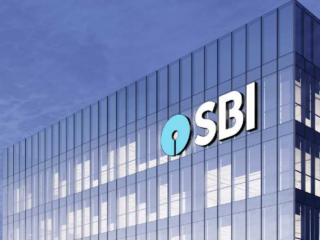
State Bank of India
The State Bank of India (SBI) is India’s largest public sector bank and financial services institution. Headquartered in Mumbai, it plays a central role in India’s banking system, serving millions of retail and corporate customers domestically and abroad. Its scale, legacy, and government ownership make it a cornerstone of India’s financial infrastructure. SBI traces its roots to the Bank of Calcutta, established in 1806, which later became the Imperial Bank of India. In 1955, the Government of India nationalized the Imperial Bank, creating the State Bank of India to expand banking access across the nation. The bank subsequently absorbed several regional associate banks, consolidating its national footprint.